

What is Self-Adhesive Vinyl?
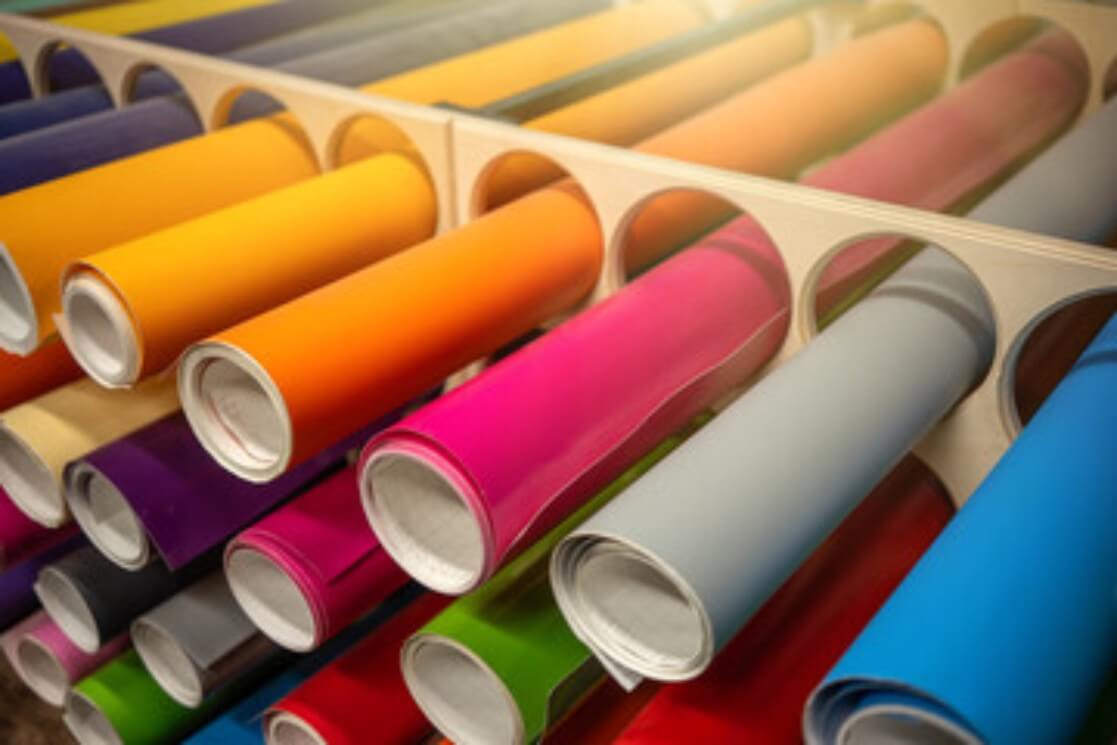
Self-adhesive vinyl is a thin PVC-based film with a pressure-sensitive adhesive backing used widely in the signage, graphic design, and printing industries. It can be printed, cut, and applied to surfaces such as glass, metal, plastic, and walls to create professional graphics, decals, and advertising displays.
Professional designers, marketers, and businesspeople love to use self-adhesive vinyl for promotional purposes. Vinyl is a popular material because it is durable, affordable, versatile, and weather-resistant. You can apply it to smooth surfaces both indoors and outdoors without environmental factors causing any problems. It can withstand sunlight, wind, rain, moisture, and temperature fluctuation without peeling or fading away.
Self-adhesive vinyl is commonly used to produce the following promotional items:
Shop signage
Directional signage
Informational signage
Stickers
Branding items
Window graphics
Promotional displays
Car displays
Types of Self-Adhesive Vinyl
The two most popular types of self-adhesive vinyl are colour vinyl and digital printable vinyl. Each type is designed to accommodate different signage and printing applications.
Let’s take a look at the differences between these two types:
Colour Vinyl
Colour vinyl comes pre-coloured in one of several popular solid colours, such as yellow, red, blue, black, and white. Instead of printing on the vinyl, it is usually cut into various shapes and letters using specialised vinyl cutting machines. Once the shapes and letters are arranged appropriately, they can form professional signage and branding for businesses.
Colour vinyl is best used to produce clean, clear graphics for:
All the graphics can have the same pre-coloured vinyl, or you can mix them up with different pre-coloured vinyl. Either way, you can easily establish a professional appearance for your business using the pre-coloured vinyl for your promotional signage.
Digital Printable Vinyl
Digital printable vinyl is designed for large-format printing, such as eco-solvent, UV, or latex printers. Instead of cutting the vinyl material, you can print your own fully coloured graphics, text, logos, photos, and other complex advertising designs directly onto the vinyl. That enables a much wider range of design options with vibrant colours and high-resolution graphics for your signage.
Digital self-adhesive vinyl is suitable in the following ways:
The strength of digital printable vinyl is in the detail of the imagery. You can produce signage with large graphics, photo imagery, and countless colours to establish a strong, dynamic message to your audience. You could even laminate the digital printable vinyl for added protection against UV, scratches, and changing weather conditions.
How Self-Adhesive Vinyl is Used to Make Signs
Self-adhesive vinyl plays a critical role in modern sign production. Small businesses and entrepreneurs no longer need a large budget to produce their promotional signage, graphics, and vehicle branding. All they need are large-format printers or vinyl cut machines to manufacture their signs quickly and professionally.
If using digital printable vinyl, the imagery for the designs themselves is easy to make as well. You can use your favourite graphic design software to produce a design using a combination of images, photos, logos, and text. Then you would print the design onto the vinyl material.
Vinyl can be cut into almost any shape, offering tremendous flexibility for producing custom signage. You’ll have the power to create anything from small branding labels to large storefront graphics.
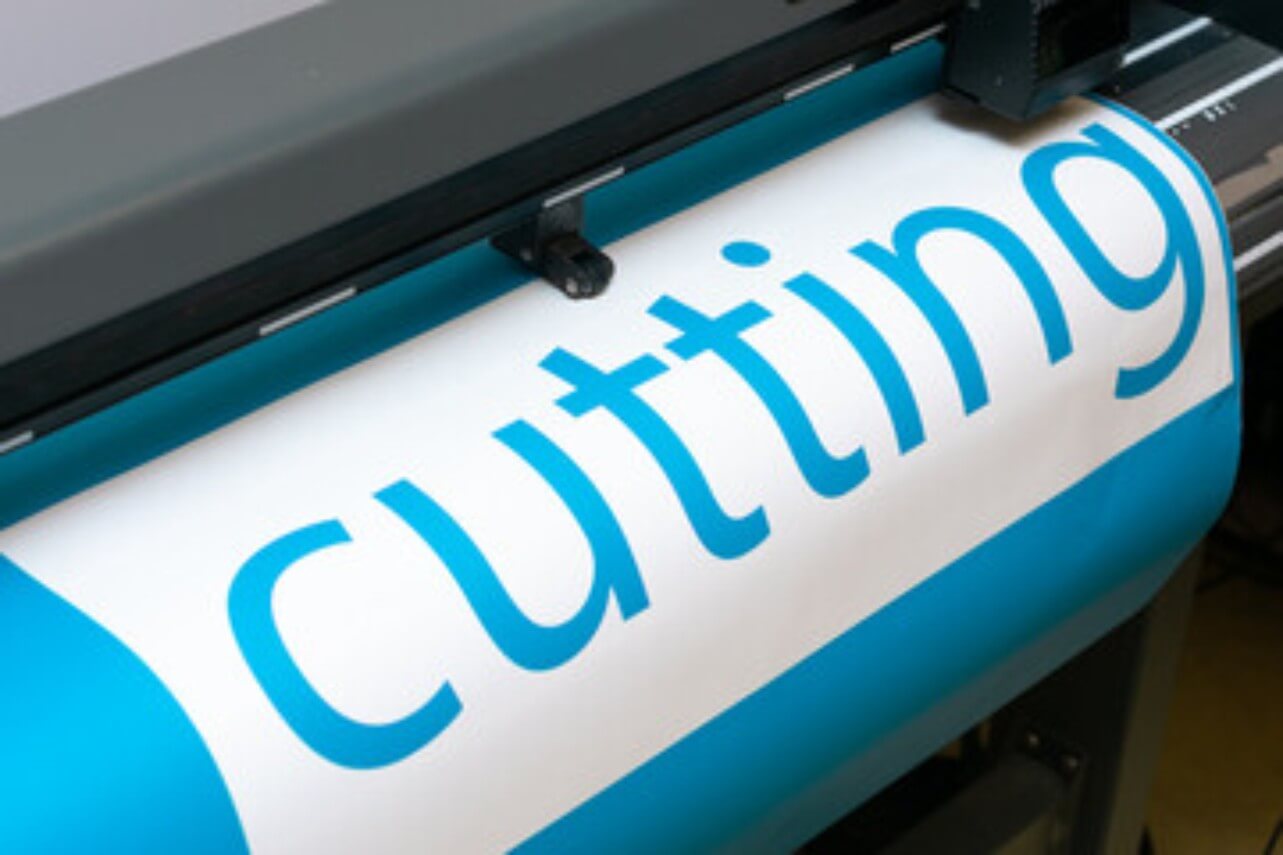
Here is a rundown of the steps involved in making signs with self-adhesive vinyl:
01
Design the imagery on the computer
02
Print the design onto the digital vinyl, or cut the pre-coloured vinyl material using a vinyl cut machine.
03
After cutting the vinyl, you must weed the vinyl by carefully cutting all the unwanted material from around the design. That applies to both the digital printable vinyl and the pre-coloured vinyl.
04
If you have individual cut vinyl graphics, you will need to place transfer tape over them to hold the entire design together. It also ensures the alignment between the graphics remains intact without any alterations.
05
The last step is to apply the vinyl to the chosen surface. You could apply it to any smooth surface you would like, such as the following:
Advantages of Self-Adhesive Vinyl
Self-adhesive vinyl is commonly used by businesses, designers, marketers, and entrepreneurs to produce high-quality signage and promotions. Some of the primary advantages of using self-adhesive vinyl materials include the following:
As you can see, self-adhesive vinyl offers many attractive benefits and advantages that other signage materials do not offer.
Tips for Using Self-Adhesive Vinyl
Self-adhesive vinyl is good for engagement. To achieve the best results when working with self-adhesive vinyl, use the following tips to help you maximize its effect on your signage: